
Primary Antibody Matched Pairs

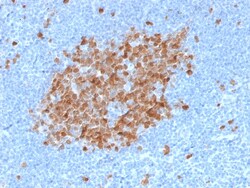
Biotium Thymidylate Synthase (5-FU Resistance Marker) (TYMS/1884), Biotin conjugate, 0.1mg/mL
This antibody recognizes a protein of 36 kDa, identified as Thymidylate Synthase (TS) (EC 2.1.1.45). It converts deoxyuridine monophosphate (dUMP) to deoxythymidine monophosphate (dTMP), which is essential for DNA biosynthesis. TS is also a critical target for the fluoropyrimidines, an important group of antineoplastic drugs that are widely used in the treatment of solid tumors. Both 5-FU and fluorodeoxyuridine are converted in tumor cells to FdUMP which inactivates TS by formation of a ternary covalent complex in the presence of the folate cofactor 5,10-methylenetetrahydrofolate. Expression of TS protein has been reported to associate with response to 5-fluorouracil (5-FU) in human colorectal, gastric, head and neck, and breast carcinomas.Primary antibodies are available purified, or with a selection of fluorescent CF Dyes and other labels. CF Dyes offer exceptional brightness and photostability. Note: Conjugates of blue fluorescent dyes like CF405S and CF405M are not r


Influenza B NP ELISA Pair Set 5PP (Sino Biological)
Each vial contains 210 ng of recombinant Influenza B (B/Florida/4/2006) Nucleoprotein / NP. Reconstitute with 1 mL dilution buffer. After reconstitution, store at -20℃ to -80℃ in a manual defrost freezer. A seven-point standard curve using 2-fold serial dilutions in dilution buffer, and a high standard of 8000 pg/mL is recommended.

Biotium HIF1 alpha (Hypoxia-Inducible Factor 1-alpha)(ESEE122), 0.2mg/mL
HIF1 (hypoxia-inducible factor 1), a heterodimeric transcription factor complex central to cellular response to hypoxia, consists of two subunits (HIF-1 alpha and HIF-1 beta) which are basic helix-loop-helix proteins of the PAS (Per, ARNT, Sim) family. Expression of HIF-1 alpha protein is regulated by cellular oxygen level alterations as well as in oxygen-independent manner via different cytokines (through the PI3K-AKT-mTOR pathway), growth factors, oncogenic activation, or loss of tumor suppressor function etc. In normoxic cells, HIF-1 alpha is proline hydroxylated leading to a conformational change that promotes its binding to the VLH (von Hippel Lindau) protein E3 ligase complex; ubiquitination and followed by rapid proteasomal degradation. Hypoxia as well as chemical hydroxylase inhibitors (desferrioxamine, cobalt etc. ) inhibit HIF-1 alpha degradation and lead to its accumulation in the cells, whereas, contrastingly, HIF-1 beta/ARNT (AhR nuclear translocator) remains sta
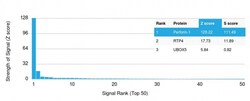
Biotium Perforin-1 (Pore Forming Protein) (Apoptosis Marker)(PRF1/2467), CF740 conjugate, 0.1mg/mL
Perforin is a pore-forming protein that leads to osmotic lysis of the target cells and subsequently enables granzymes to enter the target cells and activate apoptosis. Perforin has structural and functional similarities to complement component 9 (C9). Like C9, this protein creates transmembrane tubules and is capable of lysing non-specifically a variety of target cells. It is one of the main cytolytic proteins of cytolytic granules, and is known to be a key effector molecule for T-cell- and natural killer-cell-mediated cytolysis. Defects in this gene cause familial hemophagocytic lymphohistiocytosis type 2 (HPLH2), a rare and lethal autosomal recessive disorder of early childhood. The expression of perforin is reportedly upregulated in activated CD8 T-cells, natural killer cells and some CD4 T-cells. Primary antibodies are available purified, or with a selection of fluorescent CF Dyes and other labels. CF Dyes offer exceptional brightness and photostability. Note: Conjug
American Research Products Inc PrEST Antigen UBE2S
PrEST Antigen UBE2S antigen APrEST87796 for ubiquitin-conjugating enzyme E2S Recombinant protein fragment of Human UBE2S

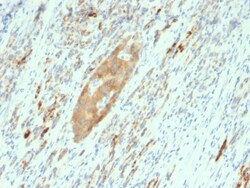
Biotium GAD2 / GAD65 (GABAergic Neuronal Marker)(GAD2/2362), CF594 conjugate, 0.1mg/mL
This MAb recognizes a protein of 65 kDa, which is identified as glutamic acid decarboxylase 2 (GDA2). It is responsible for catalyzing the production of gamma-aminobutyric acid from L-glutamic acid. There are two forms of glutamic acid decarboxylases (GAD's) that are found in the brain: GAD2 (also known as GAD65) and GAD1 (also known as GAD67). GAD1 and GAD2 are members of the group II decarboxylase family of proteins and are responsible for catalyzing the rate-limiting step in the production of GABA (-aminobutyric acid) from L-glutamic acid. Although both GAD's are found in the brain, GAD2 localizes to synaptic vesicle membranes in nerve terminals, while GAD1 is distributed throughout the cell. A pathogenic role for GAD2 is identified in the human pancreas since it has been identified as an autoantibody and an auto-reactive T cell target in insulin-dependent diabetes. Primary antibodies are available purified, or with a selection of fluorescent CF Dyes and other labels. CF Dyes
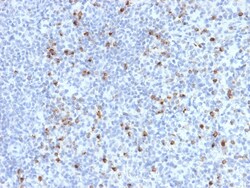
Biotium Perforin-1 (Pore Forming Protein) (Apoptosis Marker)(PRF1/2470), CF568 conjugate, 0.1mg/mL
Perforin is a pore-forming protein that leads to osmotic lysis of the target cells and subsequently enables granzymes to enter the target cells and activate apoptosis. Perforin has structural and functional similarities to complement component 9 (C9). Like C9, this protein creates transmembrane tubules and is capable of lysing non-specifically a variety of target cells. It is one of the main cytolytic proteins of cytolytic granules, and is known to be a key effector molecule for T-cell- and natural killer-cell-mediated cytolysis. Defects in this gene cause familial hemophagocytic lymphohistiocytosis type 2 (HPLH2), a rare and lethal autosomal recessive disorder of early childhood. The expression of perforin is reportedly upregulated in activated CD8 T-cells, natural killer cells and some CD4 T-cells. Primary antibodies are available purified, or with a selection of fluorescent CF Dyes and other labels. CF Dyes offer exceptional brightness and photostability. Note: Conjug
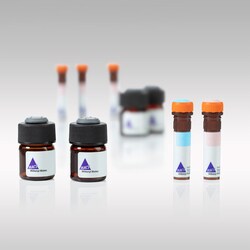
Miltenyi Biotec, Inc. CD69-PerCP-Vio700, mouse, H1.2F3, 100 t
Identification and enumeration of CD69+ cells by flow cytometry.
This product is subject to the following: Miltenyi Biotec, Inc. Terms and Conditions of Sale For Products and Services

Human CXCL8 ELISA Pair Set 5PP (Sino Biological)
Each vial contains 3 ng of recombinant Human IL-8/Interleukin-8/CXCL8. Reconstitute with 1 mL Dilution Buffer. After reconstitution, store at -20℃ to -80℃ in a manual defrost freezer. A seven-point standard curve using 2-fold serial dilutions in Dilution Buffer, and a high standard of 240 pg/mL is recommended.
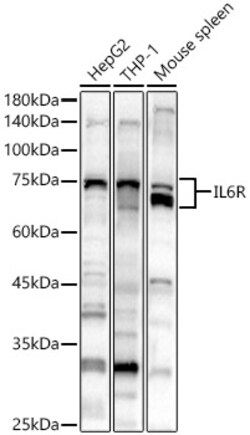
ABclonal Technology IL6R Rabbit pAb

This gene encodes a subunit of the interleukin 6 (IL6) receptor complex. Interleukin 6 is a potent pleiotropic cytokine that regulates cell growth and differentiation and plays an important role in the immune response. The IL6 receptor is a protein complex consisting of this protein and interleukin 6 signal transducer (IL6ST/GP130/IL6-beta), a receptor subunit also shared by many other cytokines. Dysregulated production of IL6 and this receptor are implicated in the pathogenesis of many diseases, such as multiple myeloma, autoimmune diseases and prostate cancer. Alternatively spliced transcript variants encoding distinct isoforms have been identified in this gene. A pseudogene of this gene is found on chromosome 9.
Sigma Aldrich Fine Chemicals Biosciences Sigma-Aldrich Antibody, Produced in Rabbit, Polyclonal, Unconjugated, 100 μL
This antibody targets Ciliary neurotrophic factor (CNTF), a neural cytokine, and is produced in rabbits as an affinity-isolated antibody.
- Unconjugated, polyclonal primary antibody, quality level 100.
- Human species reactive.
- Applications: IF, IHC, Immunoblotting.
- Dilutions: Immunoblotting (0.04–0.4 μg/mL), IF (0.25–2 μg/mL), IHC (1:500–1:1000).
- Storage: −20°C.
- Solution: PBS, pH 7.2, 40% glycerol, 0.02% sodium azide.
- Validated with data via Human Protein Atlas portal.
- Low cross-reactivity from antigen selection and affinity purification.
- Tested on IHC tissue arrays (44 normal, 20 cancer) and protein arrays (364 human fragments).
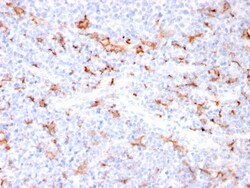
Biotium S100A9 + Calprotectin (S100A8/A9 Complex)(MAC3157R), CF740 conjugate, 0.1mg/mL
Recognizes the L1 or Calprotectin molecule, an intra-cytoplasmic antigen comprising of a 12 kDa alpha chain and a 14 kDa beta chain expressed by granulocytes, monocytes and by tissue macrophages. Macrophages usually arise from hematopoietic stem cells in the bone marrow. Under migration into tissues, the monocytes undergo further differentiation to become multifunctional tissue macrophages. They are classified into normal and inflammatory macrophages. Normal macrophages include macrophages in connective tissue (histiocytes), liver (Kupffer's cells), lung (alveolar macrophages), lymph nodes (free and fixed macrophages), spleen (free and fixed macrophages), bone marrow (fixed macrophages), serous fluids (pleural and peritoneal macrophages), skin (histiocytes, Langerhans's cell) and in other tissues. Inflammatory macrophages are present in various exudates. Macrophages are part of the innate immune system, recognizing, engulfing and destroying many potential pathogens including
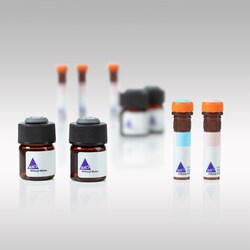
Miltenyi Biotec, Inc. CD79b-PE-Vio770, human, REA120, 30 tests
Identification and enumeration of CD79b+ cells by flow cytometry.
This product is subject to the following: Miltenyi Biotec, Inc. Terms and Conditions of Sale For Products and Services

Influenza B NP ELISA Pair Set 15PP (Sino Biological)
Each vial contains 210 ng of recombinant Influenza B (B/Florida/4/2006) Nucleoprotein / NP. Reconstitute with 1 mL dilution buffer. After reconstitution, store at -20℃ to -80℃ in a manual defrost freezer. A seven-point standard curve using 2-fold serial dilutions in dilution buffer, and a high standard of 8000 pg/mL is recommended.
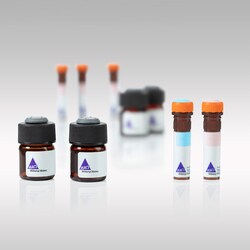
Miltenyi Biotec, Inc. CD55 (DAF)-PE, human, REA1231, 30 tests
Identification and enumeration of CD55 (DAF)+ cells by flow cytometry.
This product is subject to the following: Miltenyi Biotec, Inc. Terms and Conditions of Sale For Products and Services